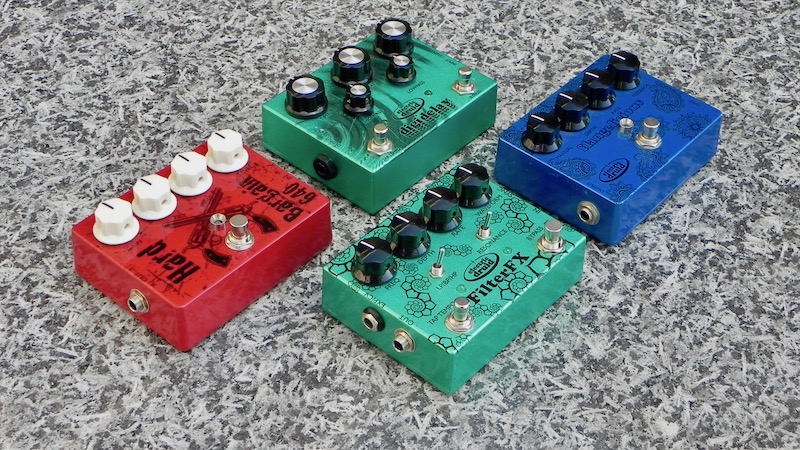
This page collects together just the information you need if you’re intending to build one of the Electric Druid effects pedal/stompbox projects. For each pedal, you only really need the construction guide, which includes the full bill of materials (BOM) and a wiring diagram for the PCB in the enclosure. We also provide a […]
Category: Stompbox stuff
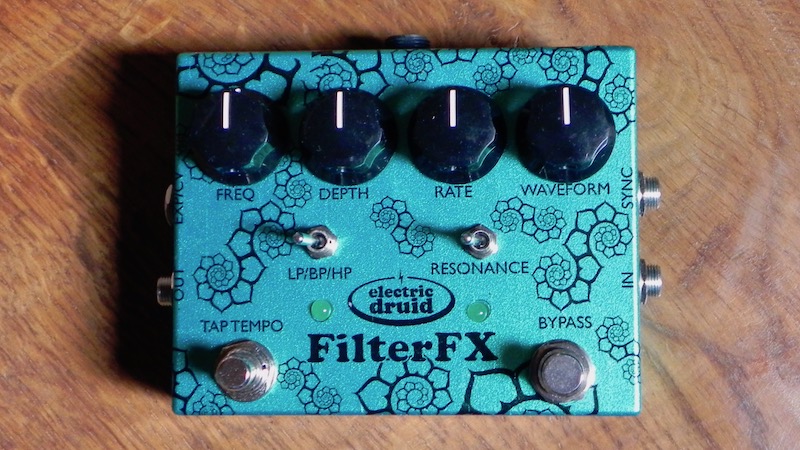
The FilterFX project uses the Druid STOMPLFO to control a 12dB/oct state variable filter. A state variable filter (SVF) is chosen because this filter design offers highpass, bandpass, and lowpass outputs which gives us the greatest range of different effects. The LFO offers eight waveforms, including two random waveforms (one does those crazy sample-and-hold effects […]
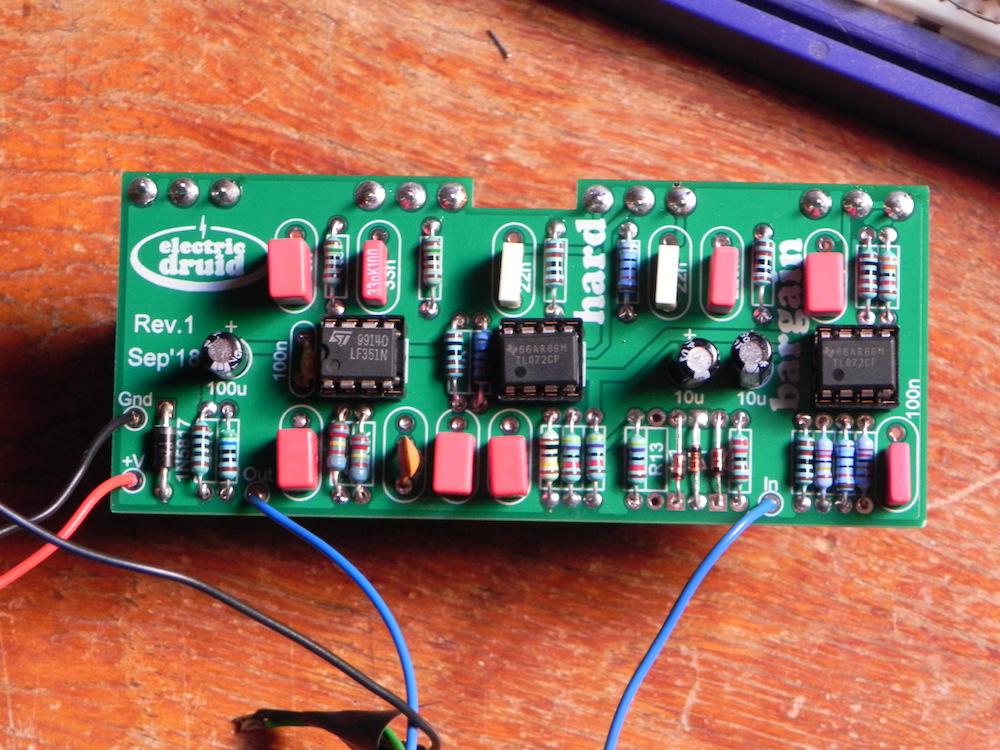
For this post, I’d like to take you through the process of designing a pedal, from initial idea to completed PCB and pedal. Everyone has their own way of doing this, so I thought it might be interesting for people to see the way that I work on something like this. Pedal (or Synth) design […]
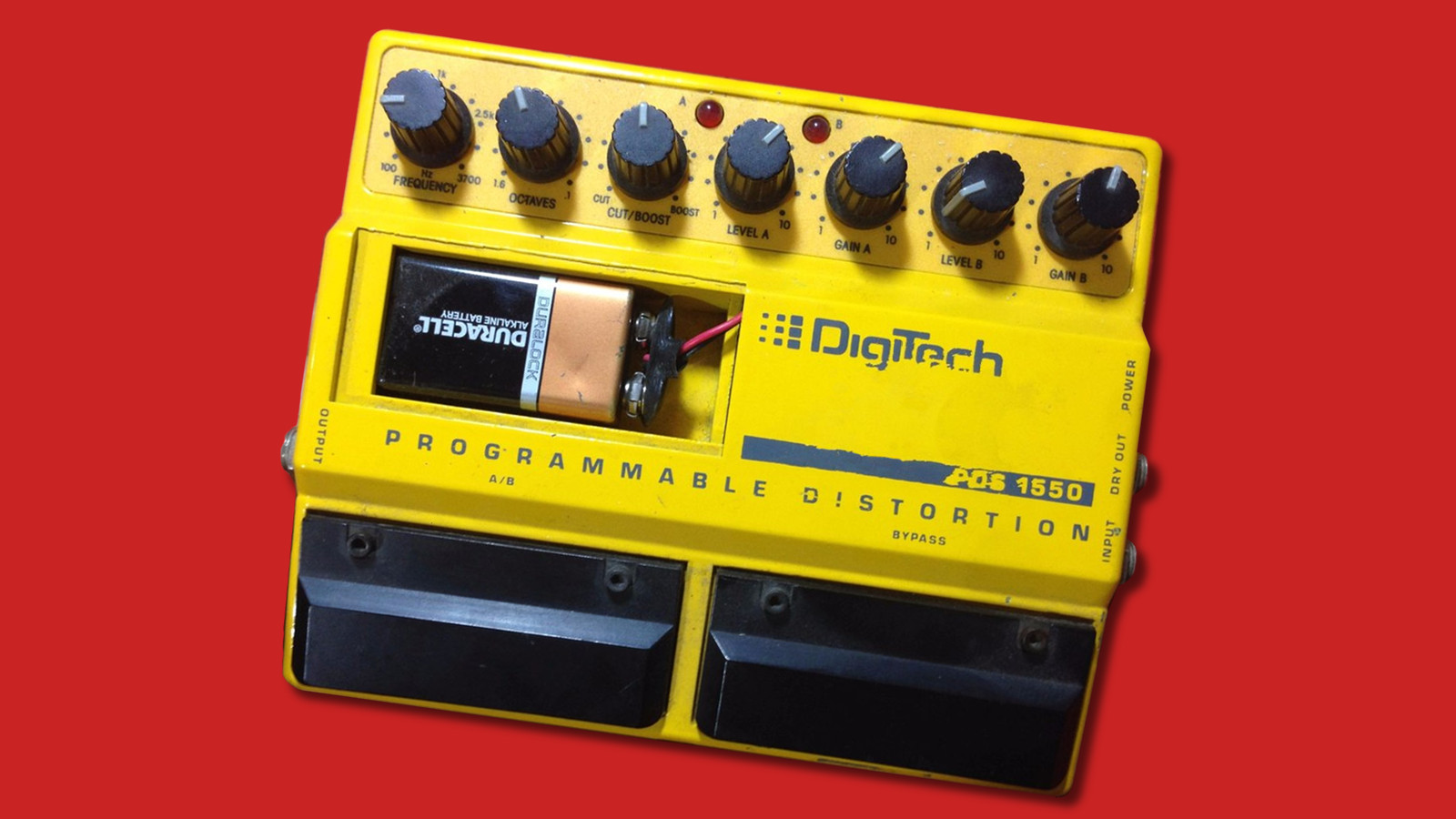
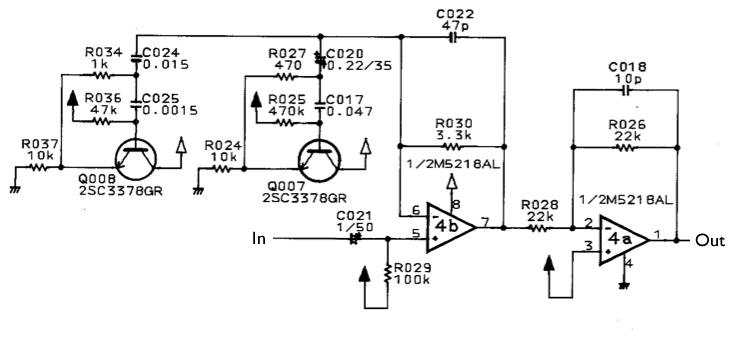
The Digitech DOD PDS-1550 was a member of the 1980’s Digitech “Dual pedal” range. It’s a pretty weird thing, and that’s partly why I’d like to take a closer look at it here. During my analysis of this pedal, I’ve discovered its dirty secret. Let’s get one thing out of the way early on though […]
Here’s something slightly different! Is it an LFO? Is it an envelope generator? Well, it’s a bit of both. It produces a one-off event like an envelope generator, but it has a selection of waves more like an LFO. It works by producing a single “ping” when triggered. A ping is like a mini-envelope. The […]
We’ve recently discovered a bug in the recently-released TAPLFO 3 code (how embarrassing!). The problem only affects the tap tempo feature of the TAPLFO3. Other chips like the VCLFO or STOMPLFO aren’t affected. We’ve fixed the code, and while we were working on it, we also improved the switch debouncing routine to be more tolerant of […]
In the last six months, we’ve been very busy here in the Druid workshop, developing and testing new versions of our PIC-based chips. This work is now complete, so I’d like to introduce the new chips. Why bother? What was wrong with the old ones? Ok, there wasn’t anything much wrong with the old ones, […]
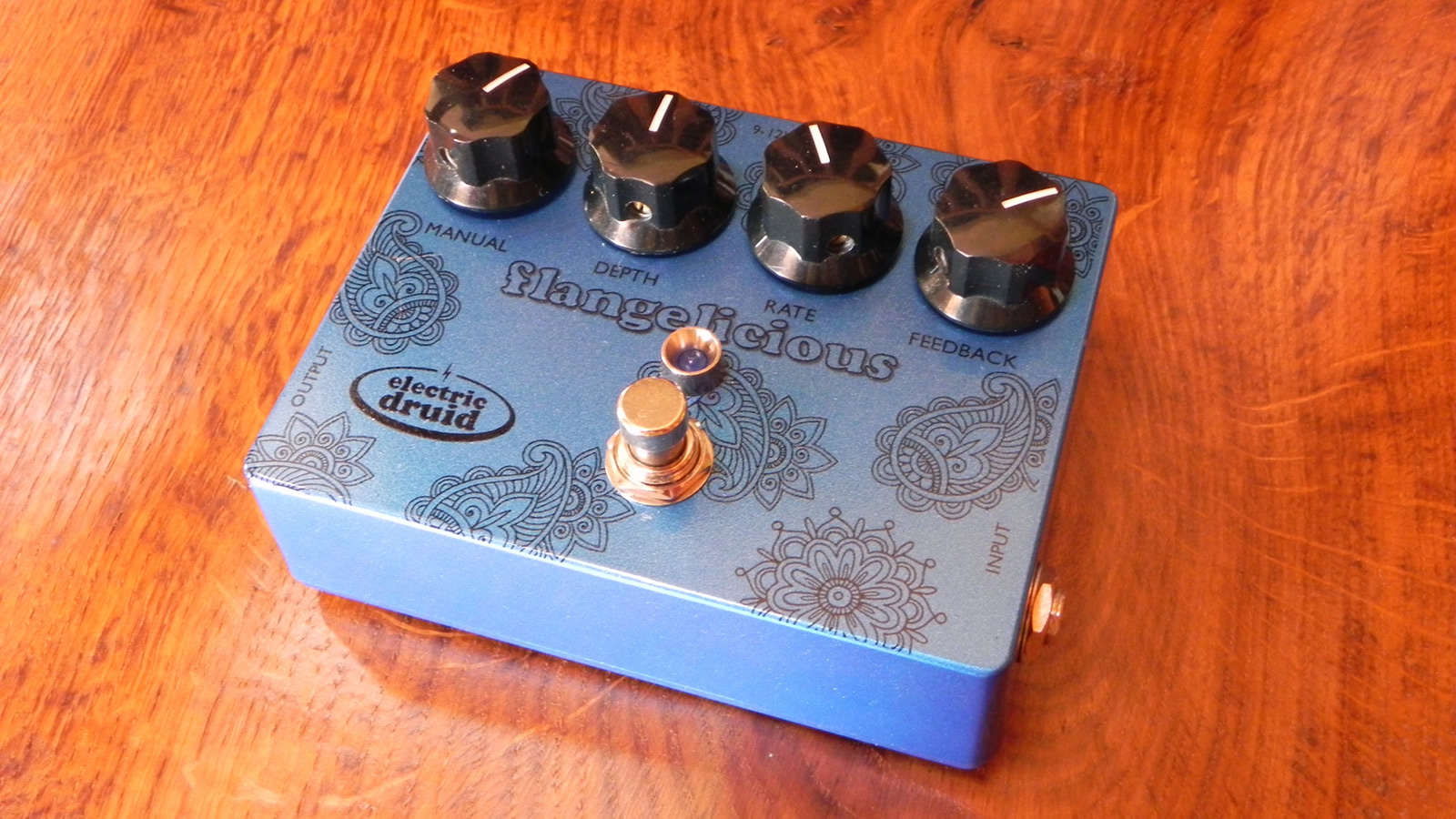
Flangers are generally regarded as one of the most complicated pedals to build. A typical design has tons of chips and lots of circuit elements. Flangelicious isn’t like that. By using a microprocessor to generate an LFO-modulated clock signal directly, we can get rid of a lot of the non-signal path stuff and add features whilst we’re about it. […]
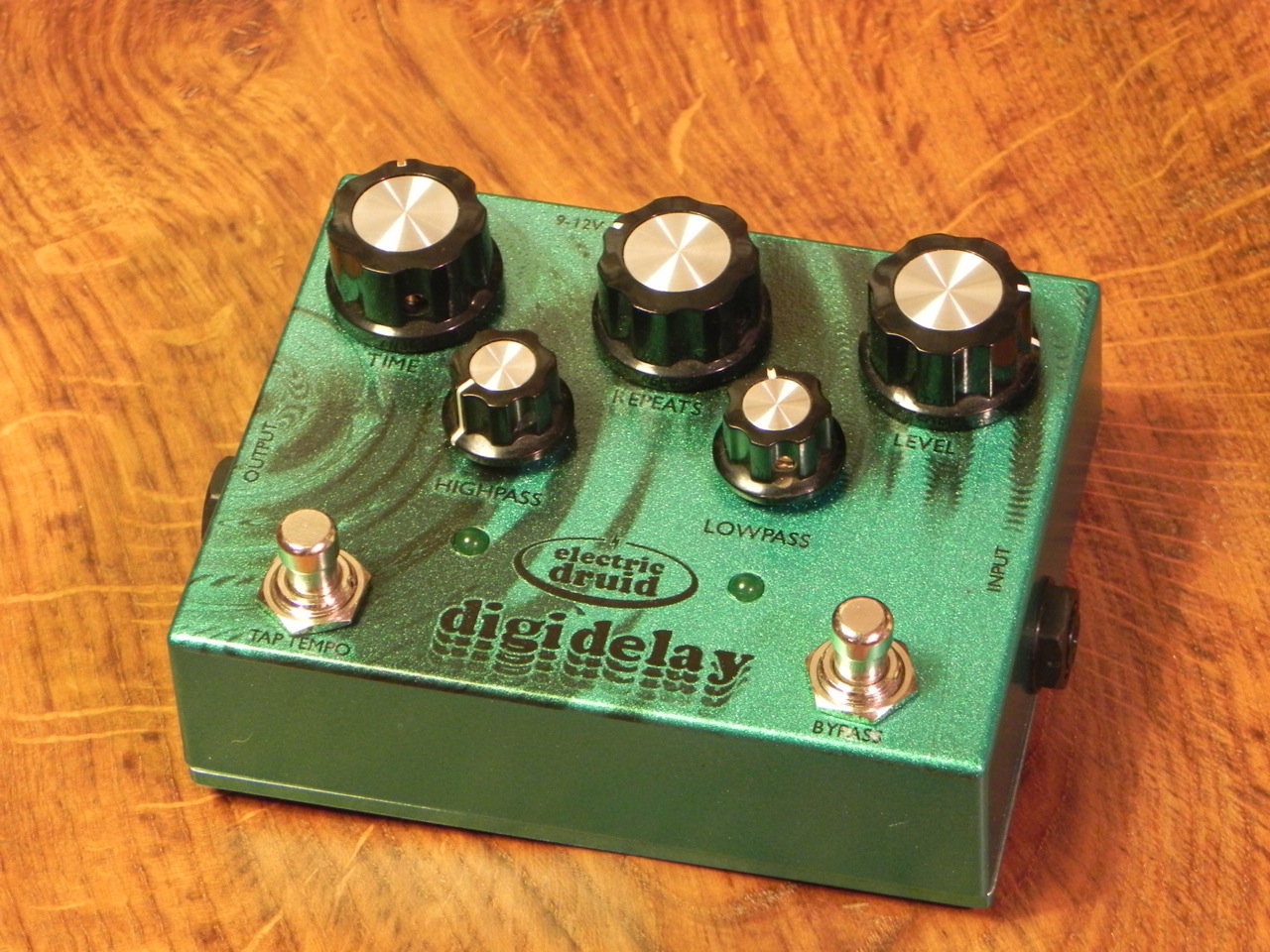
Recently I’ve been working on a four second digital delay with tap tempo and delay trails. There are lots of digital delay projects already, but the vast majority of them are based on the PT2399, which limits both the length of the delay and the sound quality. A quick summary of the features: 0 […]
The Boss MT-2 Metal Zone distortion pedal is one of the most complex drive pedals there is, and has probably the most sophisticated (and least understood!) tone control circuit on any mass-market pedal. It’s also quite a divisive beast, with some loving it, and others hating it. It’s a great pedal for modifications – easily available, […]