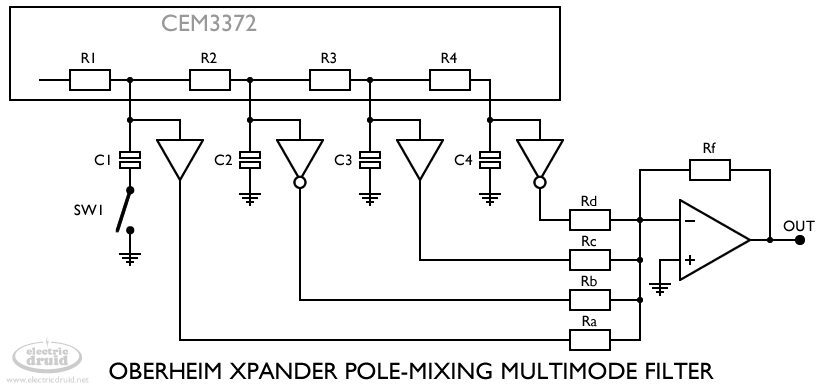
Last time we looked at reconfigurable filters, filters that include switches to rearrange parts of the circuit during normal use. However, that’s not the only way to produce different responses from a single filter circuit. This time, we’ll look at another approach: pole mixing. “Pole mixing”? It sounds like stirring a cake with a broom handle… […]
Articles
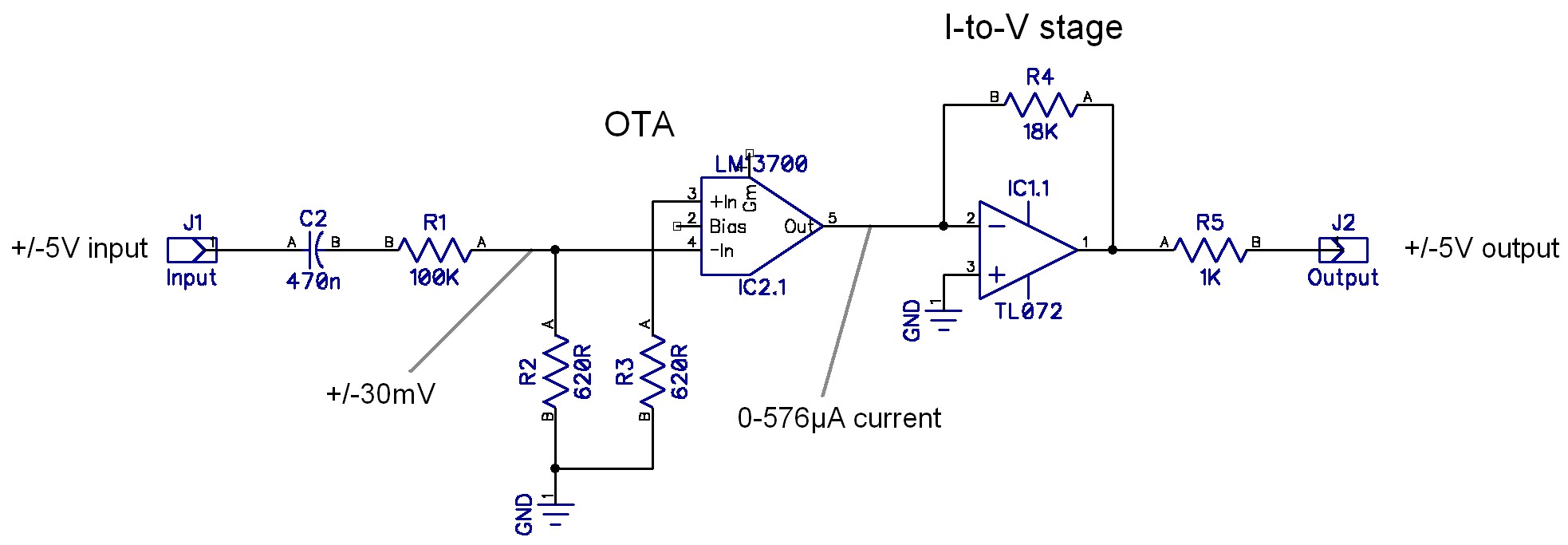
The LM13700 is a bonafide classic synth chip, plus it’s cheap and *still* available decades after it was originally introduced. Ok, it’s no longer the state of the art, and its noise and distortion figures are pretty poor, but that’s actually a part of its charm. It’s definitely got that “vintage sound”. So let’s have […]
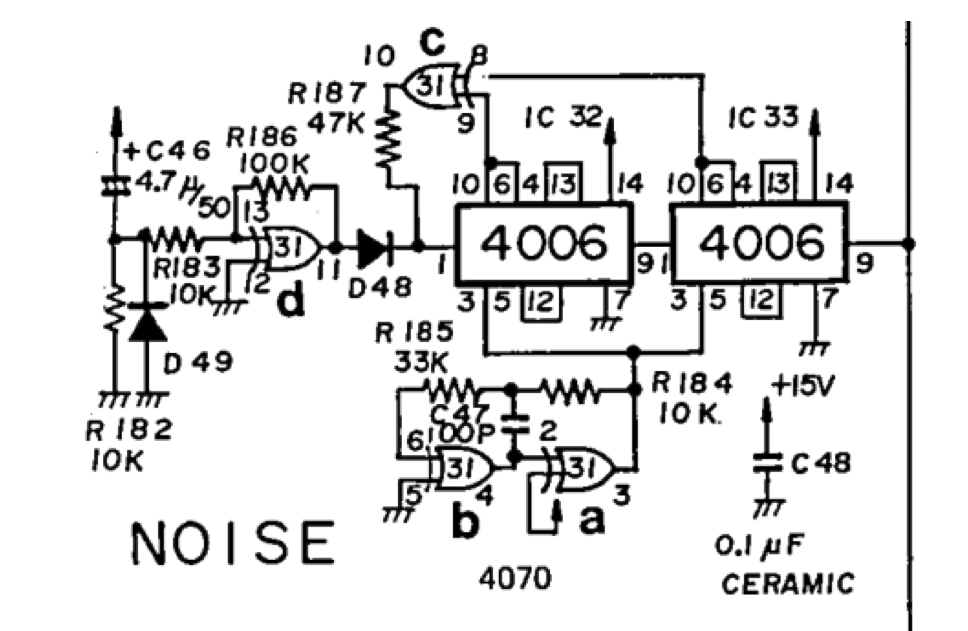
The TR-909 uses a hardware implementation of an LFSR as its noise generator. We’ve dealt with LFSR noise generators in a few other articles, but we’ve only looked at firmware implementations, so it might be fun to see how the same thing is done in hardware. The circuit is composed of three parts; the shift register […]
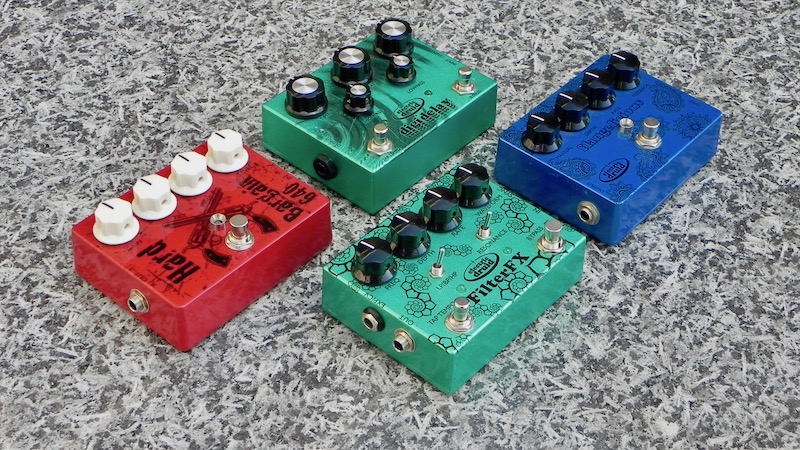
This page collects together just the information you need if you’re intending to build one of the Electric Druid effects pedal/stompbox projects. For each pedal, you only really need the construction guide, which includes the full bill of materials (BOM) and a wiring diagram for the PCB in the enclosure. We also provide a […]
What do Roland’s “Cross Mod” or “Metal Sync” really do? There are quite few people asking this question on the internet, but no-one has much of an answer. Here’s a few forum discussions I found about it: https://www.harmonycentral.com/forum/forum/Keyboards/acapella-18/330134- http://forums.rolandclan.com/viewtopic.php?f=59&t=54410 https://music.stackexchange.com/questions/57210/what-exactly-is-the-cross-modulation-on-roland-jupiter-and-jx-analog-synthesiz/71048 Ok, so Harmony Central was never going to provide a solid technical answer, but the Roland Clan […]
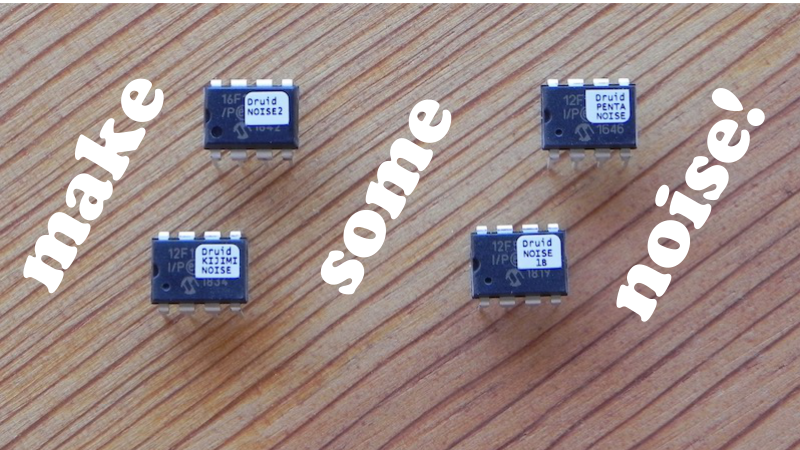
The Electric Druid range of chips now includes four noise generators, so the table below summarises the differences between them to help you select the best chip for your application. White Noise Outputs Pink Noise Outputs Digital Control? MN5837 replacement? NOISE1B 1 0 No Yes NOISE 2 1 1 No No PENTANOISE 5 0 […]
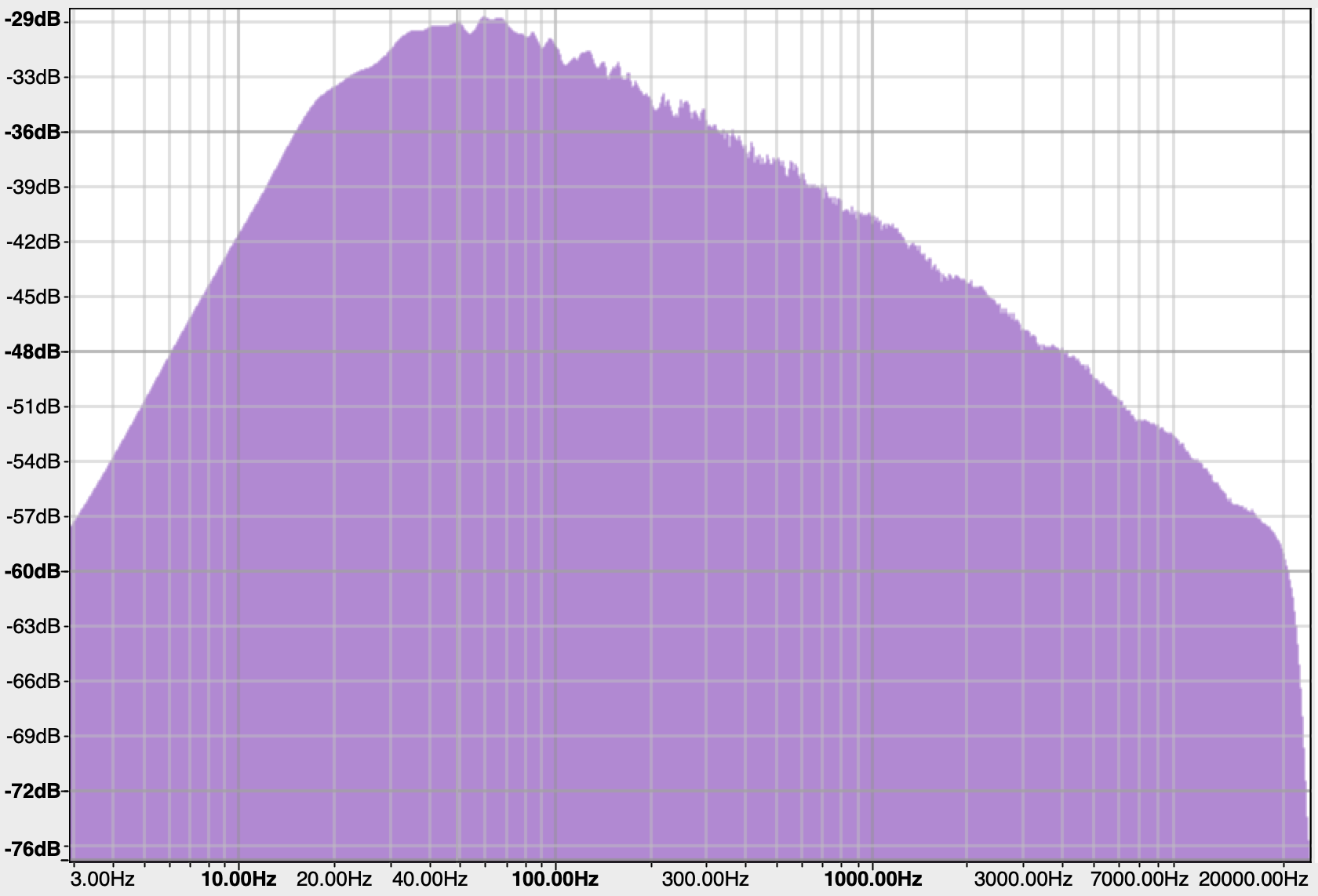
It’s been around ten years since I developed the original Druid NOISE 1B chip to produce good quality white noise. Finally it gets an update, and the new NOISE2 chip can produce pink noise as well as white noise, so there’s no need for external “pinking” filters. Here’s what it sounds like, white noise and pink […]
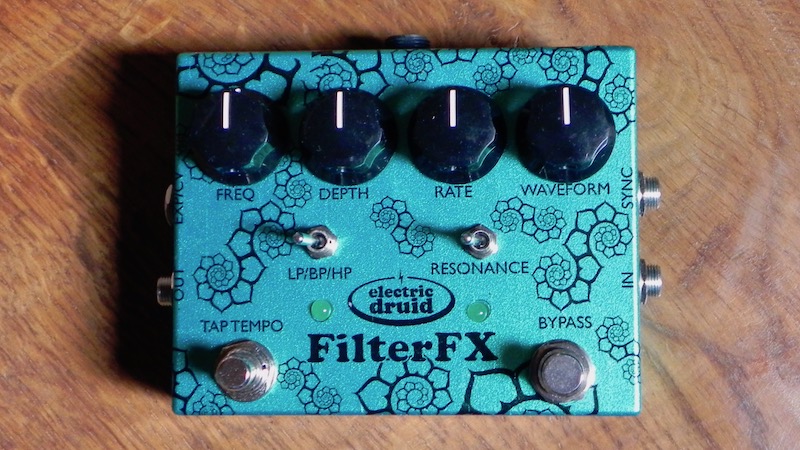
The FilterFX project uses the Druid STOMPLFO to control a 12dB/oct state variable filter. A state variable filter (SVF) is chosen because this filter design offers highpass, bandpass, and lowpass outputs which gives us the greatest range of different effects. The LFO offers eight waveforms, including two random waveforms (one does those crazy sample-and-hold effects […]
Replacing the LM3914/LM3915/LM3916 with a PIC Most designs you see for audio level LED bargraph displays use the LM3914/LM3915/LM3916 series chips that are no longer made. However, the chips are simple, so we can replace them with a PIC and build a nice LED bargraph driver on a single chip. So why do you need this thing? […]
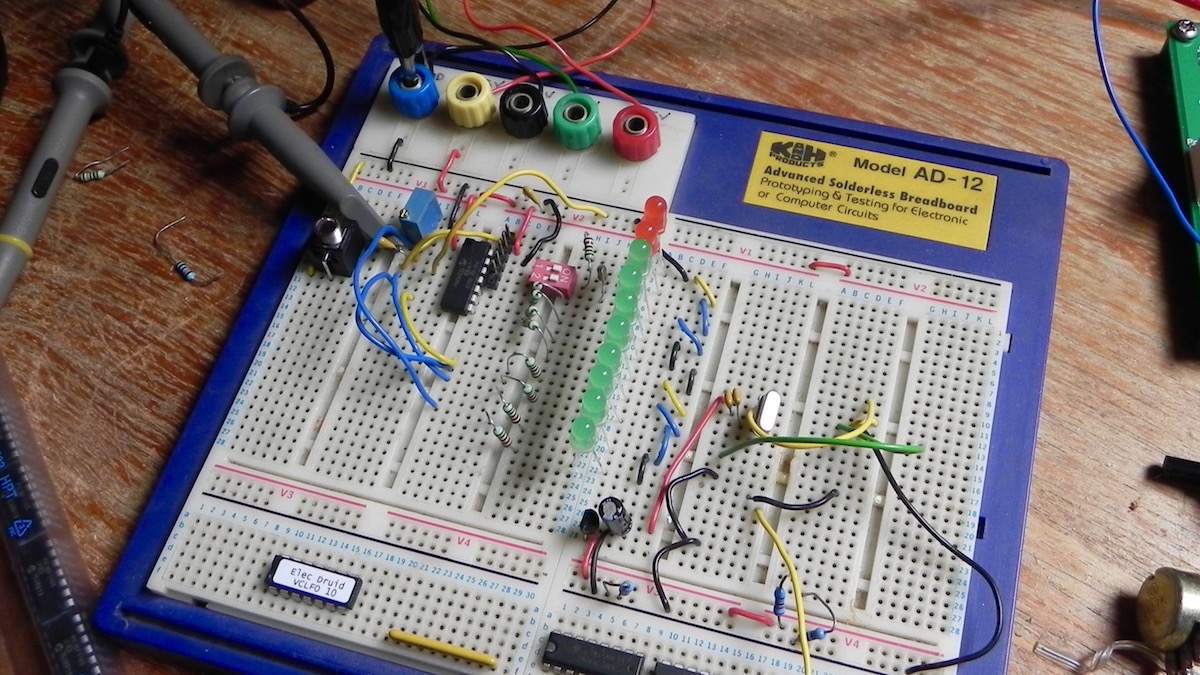
For this post, I’d like to take you through the process of designing a pedal, from initial idea to completed PCB and pedal. Everyone has their own way of doing this, so I thought it might be interesting for people to see the way that I work on something like this. Pedal (or Synth) design […]